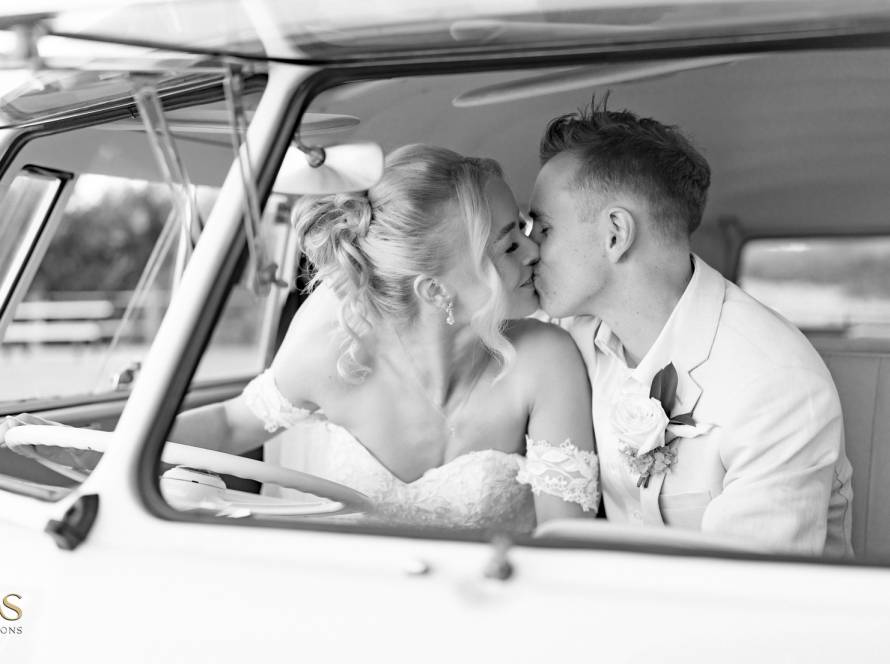
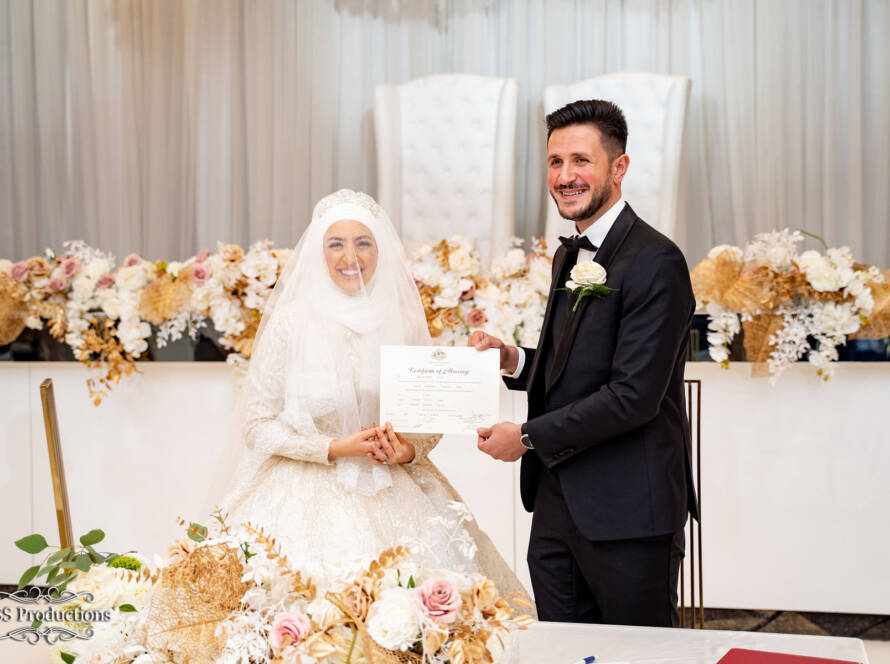
Are you captivated by the art of visual storytelling? Do you dream of capturing life’s precious moments and turning them into cinematic masterpieces? If so, you might be destined for a career as a videographer. If you are passionate about filmmaking, events, or creative storytelling, becoming a videographer could be a fulfilling career choice.
Videography is all about telling compelling stories through visuals. From capturing the intimate moments of a couple’s wedding day to producing compelling corporate content that drives business growth, videography has evolved beyond its beginnings as a hobby pursuit.
In this blog, we will outline 10 essential steps to help you transform your passion into a thriving profession. We’ll cover everything from acquiring the necessary skills to building a successful business, including tips relevant to the ever-evolving world of wedding photography trends, the influence of Instagram, and what we might see in 2025 wedding photography.
10 Steps to Being a Professional Videographer
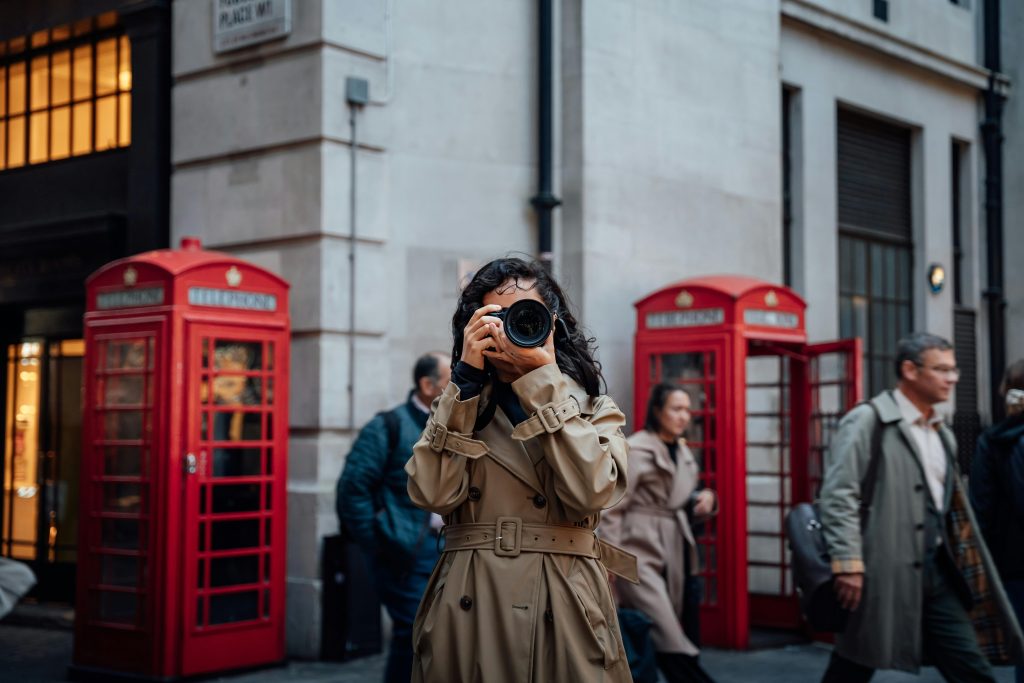
The journey from amateur enthusiast to professional videographer is both exciting and challenging, requiring a unique blend of technical expertise, creative vision, and business acumen. Whether you’re drawn to the emotional storytelling of wedding videography, the fast-paced world of corporate videos, or the creative freedom of documentary filmmaking, the path ahead is filled with opportunities for those willing to put in the work.
1. Discover Your Passion for Videography
Every great videographer starts with a passion for storytelling. Whether you’re fascinated by wedding videography trends, documentary filmmaking, or event coverage, finding your niche will help shape your career. Consider exploring different styles, from cinematic wedding films to corporate videos, and identify what excites you the most.
2. Learn the Fundamentals of Videography
A solid foundation is essential for any aspiring videographer. This includes understanding core concepts like:
- Exposure: Mastering aperture, shutter speed, and ISO to create perfectly lit images.
- Composition: Learning how to frame shots effectively to create visually appealing and engaging videos.
- Focus: Understanding depth of field and how to achieve sharp, professional-looking footage.
- Sound: Recognising the importance of high-quality audio and learning how to capture it effectively.
- Editing: Familiarising yourself with video editing software and techniques to create compelling narratives.
You can learn these fundamentals through online courses, workshops, or even by studying the work of your favourite videographers. Practice is key! The more you experiment with these elements, the better you’ll become.
-
Types of Videography
Exploring different types of videography can help you solidify your niche. Here are a few examples:
- Wedding Videography: Capturing the emotion and magic of a couple’s special day. Understanding wedding photography trends is crucial in this field.
- Corporate Videography: Creating videos for businesses, including promotional videos, training videos, and event coverage.
- Commercial Videography: Producing videos for advertising and marketing purposes.
- Music Videography: Collaborating with musicians to create visually stunning videos for their songs.
- Documentary Videography: Telling compelling stories through factual and informative videos.
3. Invest in the Right Equipment for Success
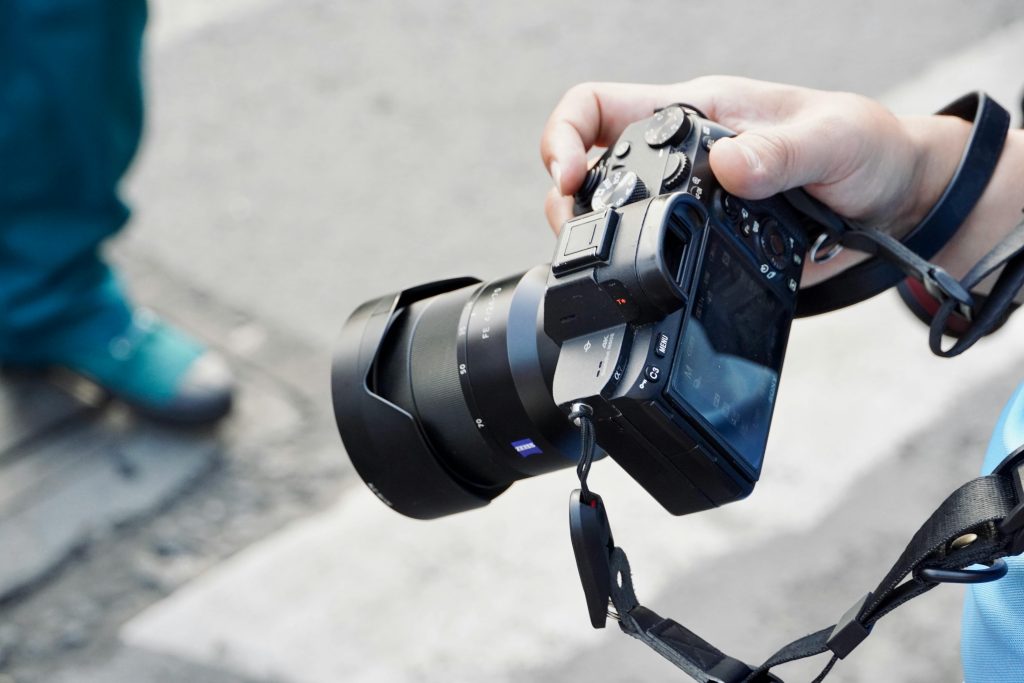
While you don’t need the most expensive gear to start, having the right equipment is essential for producing professional-quality videos. This includes:
- Camera: DSLR or mirrorless with 4K capability
- Lenses: Wide-angle, prime, and telephoto lenses
- Stabilisation Gear: Gimbal or tripod
- Audio Equipment: Lavalier microphones, shotgun mics
- Lighting Gear: Softbox lights, LED panels
Start with the essentials and gradually upgrade your equipment as your skills and budget grow.
4. Pursue Education and Training Opportunities
Formal education can provide you with a comprehensive understanding of videography principles and techniques. Consider enrolling in a film school, taking online courses, or attending workshops. Even if you’re self-taught, continuous learning is essential for staying up-to-date with the latest trends and technologies. Consider:
- Online courses from platforms like Udemy, Skillshare, or MasterClass
- Workshops and mentorship programs
- YouTube tutorials for hands-on learning
5. Gain Hands-On Experience Through Internships
Practical experience is invaluable. Look for opportunities to assist professional videographers for weddings or corporate events. Volunteering for projects, collaborating with photographers, or doing internships helps build confidence and expertise.
6. Build a Stunning Portfolio to Showcase Your Work
Your portfolio is your most powerful marketing tool. It’s a collection of your best works that showcase your skills and style. Include a variety of videos that demonstrate your versatility and creativity. Make sure your portfolio is easily accessible online, such as on your website or a platform like Vimeo or YouTube.
Showcase:
- A variety of projects (weddings, corporate, social media clips)
- High-quality, edited videos
- Client testimonials and reviews
- A dedicated website or Instagram profile to display your work
Having a well-curated portfolio helps attract clients looking for professional wedding videographers in Sydney and beyond.
7. Network and Collaborate with Industry Professionals
Networking is crucial for building connections and finding new opportunities. Attend industry events, join online communities, and connect with other videographers, photographers, and event planners. Collaborating with others can also be a great way to learn and grow. For those interested in wedding photography, understanding the current wedding photography trends and networking with wedding planners is especially beneficial.
8. Develop Your Brand and Market Your Services
Once you have a portfolio and some experience under your belt, it’s time to start building your brand and marketing your services. This includes creating a professional website, establishing a social media presence, and developing a marketing strategy. Consider specialising in a niche, such as wedding videography, to differentiate yourself from the competition. Understanding how Instagram influences wedding trends and how that translates into 2025 wedding photography styles is crucial for success in this niche.
9. Stay Updated with Trends and Technology
With new technologies, techniques, and trends emerging regularly, it’s essential to stay updated with these changes to remain competitive. Read industry blogs, attend conferences, and experiment with new equipment and software. For example, keeping up with the latest wedding photography trends is crucial for wedding videographers.
Keep up with:
- The latest wedding photography trends and editing techniques
- Software updates (Adobe Premiere Pro, Final Cut Pro)
- Emerging video formats (vertical videos, slow-motion, drone footage)
10. Commit to Continuous Learning and Growth
Every professional videographer keeps learning. It requires dedication, hard work, and a commitment to continuous learning and growth. Never stop honing your skills, experimenting with new techniques, and seeking feedback from others. Stay inspired by attending workshops, experimenting with new techniques, and seeking feedback from peers. The more you refine your skills, the more successful you’ll become in the industry.
Essential Skills Every Videographer Should Master
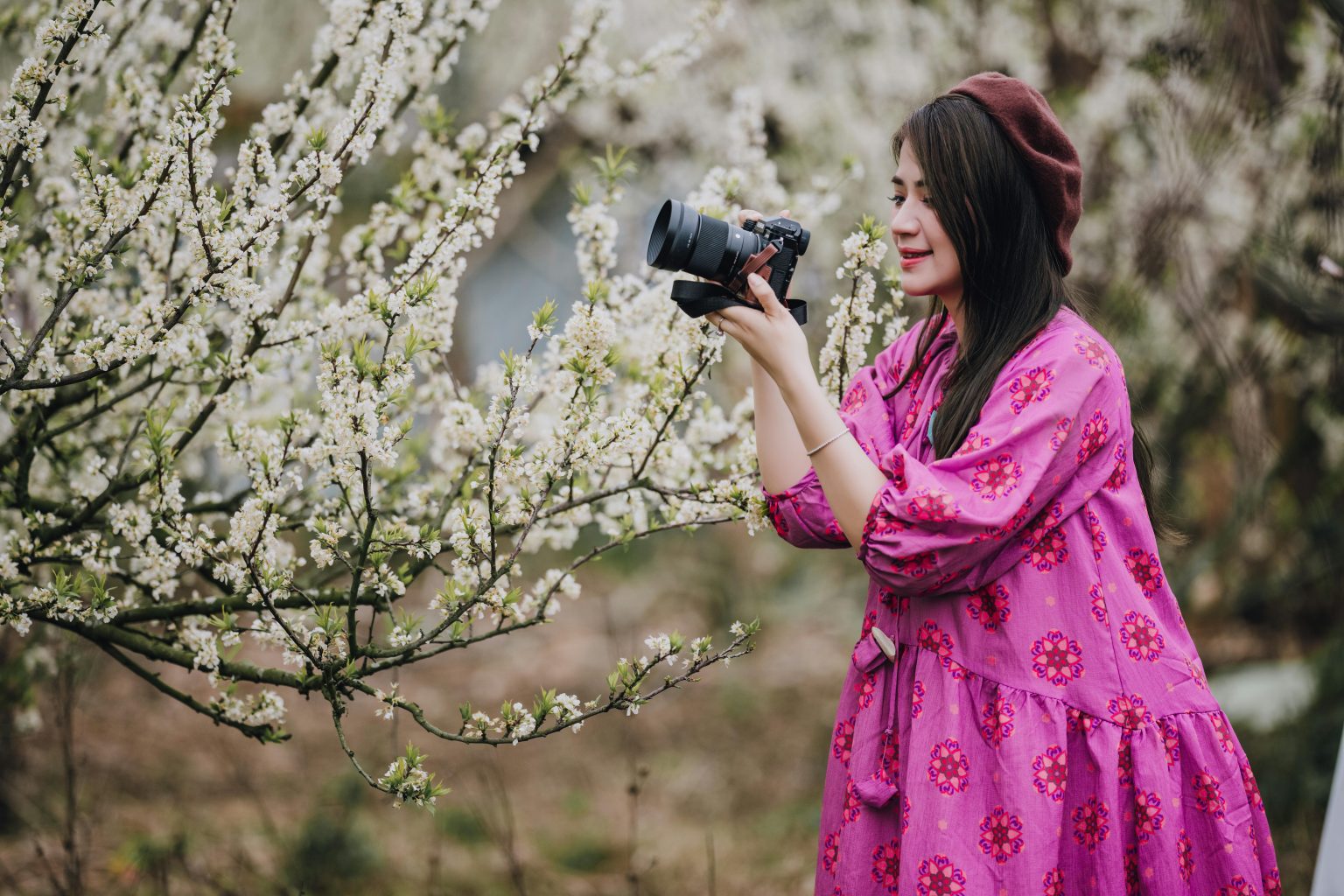
Beyond technical knowledge, there are several key skills every videographer should develop, including:
-
Storytelling
A great videographer is someone who narrates a story through various footage. Understanding how to craft compelling narratives, structure scenes, and evoke emotions through visuals is essential for engaging content.
-
Technical Proficiency
Operating cameras, adjusting lighting, and mastering post-production editing are crucial skills. A strong grasp of settings like ISO, shutter speed, and white balance can elevate video quality.
-
Creativity
Videography thrives on creativity. Experimenting with angles, motion, and transitions helps create visually stunning content that stands out in competitive markets like wedding videography in Sydney.
-
Communication Skills
This one might be a little surprising, but communication is key when working with clients, directing subjects, and collaborating with photographers or event planners. Building rapport ensures smoother shoots and satisfied clients.
-
Adaptability
Not every shoot goes as planned. Unexpected lighting changes, technical issues, or uncooperative weather require quick problem-solving. The best videographers can adapt and still deliver high-quality results.
-
Attention to Detail
Capturing every moment with precision ensures a polished final product. From framing a shot to syncing audio perfectly, attention to detail makes a huge difference in professional videography.
-
Time Management
Managing multiple projects, meeting deadlines, and maintaining efficiency during shoots are essential for a thriving videography career. Staying organised helps videographers deliver top-notch results on time.
-
Marketing and Business Skills
For those pursuing videography as a career, understanding branding, social media marketing, and client relations is crucial. Building a strong online presence can attract potential clients and grow your business.
-
Editing Mastery
Post-production plays a vital role in storytelling. Learning advanced editing techniques using software like Adobe Premiere Pro or Final Cut Pro allows videographers to create polished, engaging videos.
-
Passion and Persistence
Finally, passion and persistence are what separate great videographers from the rest. Continuous learning, refining skills, and staying inspired will help sustain a successful videography career.
Frequently Asked Questions About Becoming a Videographer
- What sets videographers apart from filmmakers?
Videographers focus on capturing live events, weddings, and corporate projects, while filmmakers work on scripted narratives like movies and TV shows. While both tell stories visually, filmmakers often work on larger, more complex projects with bigger budgets.
- Can you make a living as a videographer?
Yes! Many professional videographers make a full-time income through weddings, corporate projects, and online content creation.
- How challenging is it to learn videography?
With passion and dedication, learning videography is achievable. Practice, online courses, and real-world experience will help you excel.
- What are the first steps to starting a career in videography?
Start by learning the basics, investing in equipment, building a portfolio, and networking with industry professionals.
Seal Your Big Day in Perfectly Captured Wedding Films with Riss Photography
Becoming a wedding videographer is a fulfilling journey that combines creativity, technical expertise, and emotional storytelling. By following these steps, you can turn your passion into a rewarding career that captures the magic of weddings.
Continuous learning, networking, and adapting to the ever-changing industry are essential for long-term success. Whether you dream of preserving the sweet memories of weddings or creating impactful corporate videos, the world of videography awaits your unique vision.
Ready to take your next step? Pick up your camera and embrace your creativity by focusing on aspects of videography that interest you the most.
If you’re looking for a professional wedding cinematographer in Sydney, Riss specialises in creating cinematic wedding films that preserve every cherished moment. Contact us today to make your wedding memories unforgettable!
Additional Sections
Pro Tips from Experienced Wedding Videographers
A wedding is a once-in-a-lifetime event filled with emotions, unforgettable moments, and stunning details. As a wedding videographer, your role is to document these cherished memories in the most captivating way possible. Here are some insights from industry professionals that will help you capture every heartfelt moment flawlessly:
-
Plan Ahead: Pre-Wedding Preparations Are Key
A great wedding video starts with thorough preparation. Before the big day
- Connect with the couple – Understand their vision, preferred style, and must-have shots.
- Scout the venue – Familiarise yourself with lighting conditions, possible shooting angles, and obstacles.
- Create a shot list – Plan essential moments like the first look, vows, and first dance while leaving room for candid moments.
Pro Tip: Attend the wedding rehearsal if possible to anticipate movement and perfect your positioning.
-
Capture Emotions and Not Just Events
The most memorable wedding films aren’t just about documenting the day—they tell an emotional story. Focus on:
- Reactions – The groom’s expression when he sees the bride, teary-eyed parents, and joyful laughter.
- Small details – The bride adjusting her veil, intertwined hands, and nervous smiles.
- Candid moments – Genuine interactions between guests, children playing, and behind-the-scenes magic.
Pro Tip: Position yourself strategically to capture raw, unscripted emotions without disrupting the flow of the event.
-
Master Natural Light and Artificial Lighting
Lighting can make or break your wedding footage. Since weddings have varying lighting conditions, adapt accordingly:
- Outdoor weddings – Shoot during golden hour for soft, flattering light. Avoid harsh midday sun by using reflectors or shade.
- Indoor ceremonies – Use soft LED panels or bounce flash to enhance dim lighting without being intrusive.
- Reception & dance floor – Low-light lenses (f/1.4 or f/2.8) and external lighting help maintain clarity while keeping the atmosphere intact.
Pro Tip: Always bring a portable light source to avoid grainy or underexposed footage in dim settings.
-
Use Stabilisation for Smooth Cinematic Shots
Shaky footage can ruin an otherwise perfect shot. For professional, cinematic results:
- Use a gimbal or stabiliser for fluid motion shots.
- A tripod or monopod works well for speeches and ceremonies.
- Handheld shooting can add a raw, documentary-style feel—but use it sparingly.
Pro Tip: Master slow, intentional movements to add drama and elegance to your shots.
-
Capture High-Quality Audio for Crisp Sound
A stunning wedding film isn’t just about visuals—clear, high-quality audio makes it truly immersive.
- Use lav mics for vows and speeches to capture voices clearly.
- Directional shotgun mics reduce background noise and enhance clarity.
- Record ambient sound to add depth—like the rustling dress, birds chirping, or laughter.
Pro Tip: Always have backup audio sources to avoid technical mishaps.
-
Stay Invisible Yet Engaged
The best wedding videographers blend into the background while capturing intimate moments.
- Move discreetly and avoid blocking guests’ views.
- Coordinate with photographers to avoid stepping into each other’s shots.
- Guide the couple subtly if needed, but let moments unfold naturally.
Pro Tip: Dress professionally and move with purpose to maintain a low profile.
-
Nail the Editing Process for a Stunning Final Film
The magic happens in post-production. Enhance storytelling with:
- Emotional music selection – Match the mood of each scene.
- Seamless transitions – Avoid abrupt cuts; use slow fades and creative transitions.
- Colour grading – Adjust colours for a warm, romantic feel or a crisp, natural tone.
- Keep it concise – Aim for a highlight reel of 5-7 minutes that captures the essence of the day.
How to Choose the Right Videographer for Your Wedding
Choosing the perfect videographer goes beyond just hiring someone with a camera—it’s about finding a professional who understands your story, style, and expectations. Here are some expert tips to help you select the best wedding videographer for your big day.
- Before you start searching, have a clear idea of the type of wedding video you want. Wedding videography comes in various styles, including cinematic, documentary, storytelling, traditional, etc.
- Research and review portfolios, as each videographer has their unique touch. So, take time to explore their website and watch full wedding films and not just highlight reels.
- Read reviews and get recommendations, as word-of-mouth and client testimonials are powerful tools in selecting a videographer. Pay attention to reviews that mention the videographer’s ability to capture emotions, work seamlessly with photographers, and deliver on time.
- Meet the videographer in person. Since your videographer will be with you throughout your special day, it’s important to feel comfortable with them.
- Discuss packages, pricing, and what’s included, as wedding videography can be a significant investment. Compare package inclusions (drones, multiple cameras, extra edits) to ensure you’re getting the best value for your budget.
- A professional videographer should have high-quality equipment and contingency plans for unexpected situations. So, check their equipment and backup plans.
- Confirm editing style and turnaround time. Editing plays a huge role in the final wedding video, so be clear about the editing style (romantic, dramatic, or fun).
- Read the contract carefully, ensuring it includes coverage details, payment terms, and copyright & usage rights. Never book a videographer without a written agreement to protect both parties.
Finding the right wedding videographer is about skill, trust, connection, and understanding your love story. Your wedding is unique—make sure your video is too. Choose wisely, and you’ll have a timeless keepsake to treasure forever.