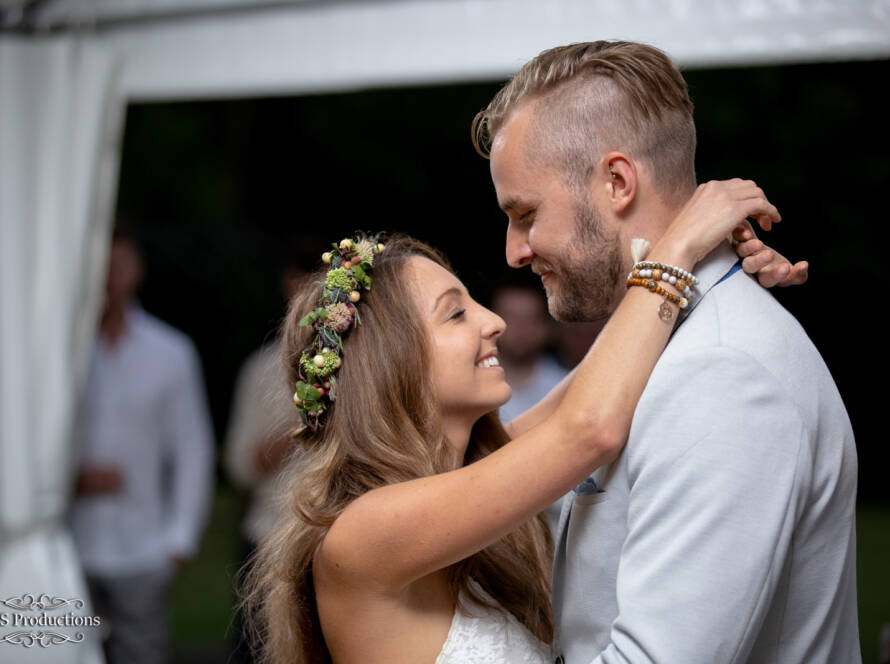
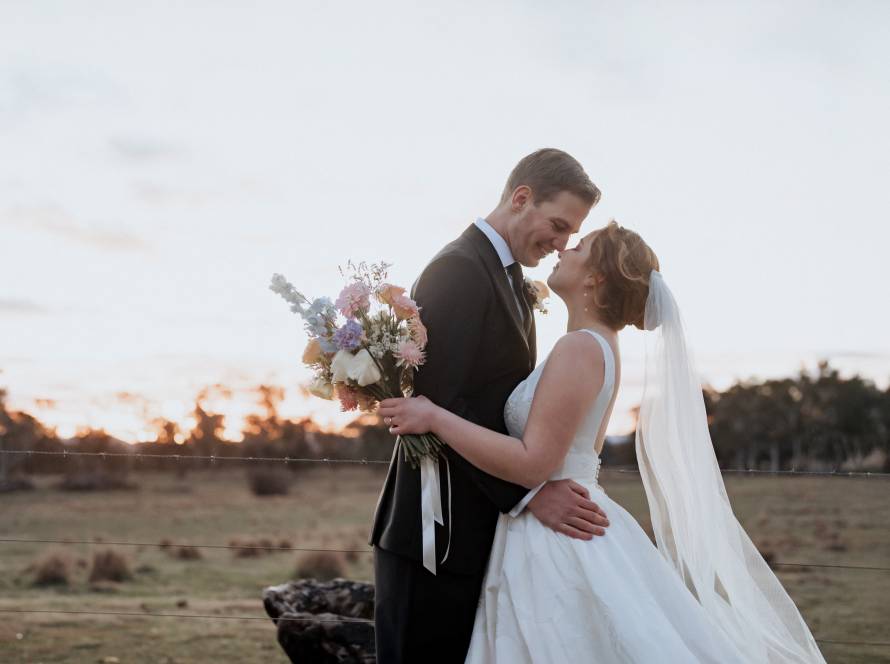
Are you also someone who always dreamt of turning your wedding photography into a cinematic masterpiece? Instead of ordinary snapshots, envision each moment frozen in time with the same drama, emotion and storytelling power as a scene from popular Hollywood movies. That is the magic of cinematic photography.
By using techniques like dramatic lighting, unique angles, and a focus on storytelling, your wedding photographers can create images that are both beautiful and emotionally resonant. Let’s check out the secrets to make your wedding day an indelible cinematic experience.
Cinematic Photography for A Picture-Perfect Wedding Album

We may find it quite difficult to accept it but cinematic photography goes way beyond aesthetics. It is so much more than just taking pretty pictures; it is about creating a visual narrative that evokes emotions.
Cinematic Photography utilises light, and different angles and blends various elements to create depth and dimension, much like scenes from your favourite movies. By focusing on real, raw emotions, and meaningful moments, your wedding photographer can capture the essence of your big day and create an eternal keepsake.
Harnessing the Power of Natural Light for a Cinematic Photoshoot
Natural Light is a photographer’s best buddy, especially when aiming for a truly cinematic feel. Its soft and diffused quality can create a dreamlike atmosphere that complements the romantic air of weddings.
Professional wedding photographers have provided some really useful advice on how to maximise the use of natural light for your cinematic wedding photoshoot;
- Give Into The Magic of Golden Hour
The Golden Hour or ”just after sunrise” or “just before sunset” gives you the most fabulous, flattering and cinematic lighting. The sun is lower on the horizon for golden hour, which creates nicer long warm-toned shadows and makes a nice soft glow of golden light. Golden hour is the perfect time for portraits, ceremony shots, and romantic sunsets.
- Make the Most of Indoor Lighting
If you booked a wedding that will mostly take place indoors, then you can still utilise natural lighting. Look for spaces with large floor-to-ceiling windows or good light pouring in or locate bright open spaces.
Maybe find the timing by deciding to take some portraits indoors or wedding reception pictures by the window to benefit from some nice soft natural light – with the appropriate photo and wedding photographer.
- The Charm of Diffusing Sunlight
If it looks like the sunlight is a bit too harsh for your liking, simply adding in a diffuser will soften it up a bit. This will create a more even & flattering light.
- Use the Shadows Creatively
Shadows can add depth and drama to your wedding photographs. Experiment with different angles and positions to create interesting shadow patterns. For example, position your subjects against a wall or a tree to create dramatic shadows. Get a professional wedding photographer to get that right all at once.
- Capturing Silhouettes
Silhouettes can be a very powerful and cinematic tool. Position your subjects against a bright background and underexpose the image to create a silhouette effect. This can be particularly effective for portrait photography or wedding ceremonies.
Mastering Compositions for Cinematic Photoshoots
Experiment with techniques like the rule of thirds, symmetry and layering to create balanced and dynamic photographs. These compositional elements can guide the viewer’s eye and add depth to your images, making them more visually interesting and engaging.
Exploring The Diverse Angles of Camera
Camera angles can significantly impact the mood and storytelling of your cinematic photographs. By experimenting with different perspectives, you can add depth, drama and a unique visual perspective to your images.
For instance, you can go for high angles to create a sense of smallness and vulnerability, and lower angles to make the subjects look larger and more powerful. Seek your photographer to try out Dutch tilts, over-the-shoulder shots, close-ups, candids and so much more. The key to using camera angles effectively is to consider the mood and story you want to convey.
Investing in the Right Equipment for Your Cinematic Wedding Photoshoot
Having the right equipment is paramount for capturing photographs that exude cinematic calibre. While you can achieve great results with a smartphone, investing in a dedicated camera and lenses can significantly elevate your photography.
1. The Camera Body
Full-frame cameras offer larger censors, resulting in better low-light performance and a wider dynamic range. However, APS-C cameras are more affordable and often have faster autofocus systems.
Mirrorless cameras are generally smaller and lighter, with faster autofocus and continuous shooting capabilities. DSLR, however, offer a more traditional shooting experience with an optical viewfinder.
2. The Lenses
- Prime lenses
These lenses, like 50 mm or 85 mm have a fixed focal length and offer wider apertures, resulting in better low-light performance and a shallower depth of field. Prime lenses are ideal for creating cinematic bokeh and capturing portraits.
- Zoom lenses
Zoom lenses offer a range of focal lengths, making them versatile for capturing various wedding scenes. However, they may not have the same image quality as prime lenses.
- Aperture
A wider aperture allows for more light to enter the lens, resulting in better low-light performance and a shallower depth of field.
3. The Tripod
A Tripod is inevitable for capturing sharp and stable images, especially in low-light conditions or when using longer shutter speeds. A sturdy tripod will help you achieve a professional look and avoid camera shake.
Stabilisation tools like gimbals or tripods are very important to achieve smooth, cinematic shoots.
4. Lighting Equipment
While natural lighting is all too important, having additional lighting equipment can have a significant impact on your wedding photography. Invest in speed lights or off-camera flash units to add fill light in darker settings or to create dramatic effects. Reflectors can also help bounce the light and soften the shadows, giving your wedding photographs a very polished look.
5. Audio Gear
For cinematic wedding videography, quality audio is just as important as visuals. We urge you to consider investing in external microphones or audio recorders to capture crisp sound during vows, speeches, and toasts, ensuring that the most precious emotions of the day are preserved alongside the visuals.
6. Backup Solutions
Finally and most importantly, do not skip out storage and backup solutions. Invest in reliable memory cards, external hard drives, or cloud storage to ensure that your precious images are safe and secure.
7. Additional Accessories
- Flash: While natural light is often preferred for cinematic photography, a flash can be useful for filling in shadows or creating dramatic lighting effects.
- Remote Shutter Release: A remote shutter release can help you avoid camera shake and capture more precise shots.
- Lens Hood: A lens hood can help prevent lens flare and protect your lens from accidental impacts.
Encouraging Natural Movements for a More Authentic Feel
Cinematic photographs thrive on capturing authentic, organic moments. Encouraging natural movements can add a dynamic and engaging element to your wedding photography.
Instead of asking for specific poses, provide general instructions like “Walk towards me” or “Turn and look at each other.” Try capturing candid moments, watch for spontaneous moments and be ready to click them on time. You can also use a longer focal length as that helps photographers capture snaps from a certain distance without making them too self-conscious.
Focus on the expressions, pay attention to the couple’s facial expressions and capture the emotions of the moment. Look for subtle gestures, such as a hand squeeze or a loving glance.
Pay Close Attention to Colour Grading and Tones for the Cinematic Wedding Photoshoot
Colour grading in post-production helps evoke the desired mood. Whether you aim for warm, romantic tones for a wedding or wish for dramatic hues for a different theme, colour grading is the key to it all.
Consistent colour tones throughout the shoot give your photographs a more cohesive, cinematic look. A good colour grade can transform your photos, enhancing the emotive part and vibe.
Experiment with Different Lighting Techniques

Don’t shy away from experimenting with different lighting setups as that is what truly creates the perfect mood for your snaps. Soft natural lighting gives the pictures a warm and romantic feel while the artificial dramatic lighting adds a certain amount of intrigue, depth and mystery to your cinematic wedding photoshoot.
Don’t Skip Out on Capturing the Smallest Details
Cinematic photography thrives on small, meaningful details that effortlessly add depth to the overall wedding story. This can include close-ups of wedding rings, the intricate lace on the wedding gown, or a bride’s tearful smile that can bring a cinematic wedding photoshoot to life.
When you capture such small yet intense moments, it enriches the narrative by highlighting significant moments and emotions.
Key Tips to Turn Your Cinematic Photoshoot into a Stunning Success
A cinematic wedding photoshoot, as we previously mentioned, is so much more than just a good camera and the right setting; done in the right way, it’s beautiful storytelling and can create powerful imagery. By following these tips, you can amp up your cinematic photoshoot and create stunning, emotionally resonant images.
- Experiment with shutter speed: Using a slower shutter speed can create intentional motion blur, adding a cinematic and dreamlike quality to your photos.
- Incorporate depth of field: A shallow depth of field can draw attention to your subject and create a more cinematic look.
- Use a tripod: A tripod ensures stability and helps you capture sharper images, especially in low-light conditions.
- Consider the background: A carefully chosen background can enhance the overall composition and contribute to the cinematic feel.
- Practice and experiment: Don’t be afraid to try new things and experiment with different techniques. The more you practise, the better you’ll become at creating cinematic photos.
Remember, the key to a successful cinematic photoshoot is to tell a story through your images. By following these tips and letting your creativity flow, you can create stunning visuals that will leave the audience spellbound.
Spruce Up Your Wedding Album with Cinematic Photography
Following the tips mentioned above and incorporating certain remarkable techniques into your cinematic wedding photography, you create spectacular and emotionally resonant images that narrate a mesmerising tale. As we mentioned earlier, the key to cinematic photography is to focus on the emotions, the details and of course, the overall narrative. With a little creativity and planning, you can turn your wedding day into a visual masterpiece that will be cherished for years to come.
So what are you waiting for? Let us make your wedding photography the talk of the town. Check out Riss Wedding Photography, the best professional wedding photography services in Sydney. Reach out today to schedule your consultation and let’s turn your dream wedding photography into an indelible cinematic experience.