The wedding photographs you save for inspiration might show beautiful poses, stunning venues, or moments that look effortless. But when it comes to your own wedding, how do you make sure your gallery feels personal and tells the story of your day? A collection of attractive photographs is a starting point, but it doesn’t cover everything you will want to remember.
A well-rounded approach balances planned photographs with genuine interactions, meaningful details, available light, enough time and the flexibility to respond when the day does not go exactly to plan. In this blog, we will explore practical wedding photography ideas to help you plan a gallery that feels complete, natural, and connected to your celebration.
Start With What You Want to Remember
Before deciding on poses or putting together a shot list, think about what you actually want your photographs to preserve. This gives your photographer a better understanding of your priorities and helps avoid treating the day as a checklist of poses.
Start with the people you want to remember being there. Parents, grandparents, siblings, close friends and your wedding party are obvious priorities, but you may also have children or guests travelling from interstate or overseas whom you especially want photographed.
Then think about the moments. Getting ready, a first look, ceremony reactions, vows, cultural traditions, family reactions, speeches and the first dance may all be important. There will also be smaller interactions that cannot be scheduled, such as a conversation with a grandparent or friends reconnecting during the reception.
The same applies to details. Alongside rings and flowers, consider anything with a personal connection, such as a family heirloom, handwritten note, cultural item, family jewellery or personal decor. Once you know what matters most, you can build the photography around it.
Wedding Photography Ideas That Tell the Full Story
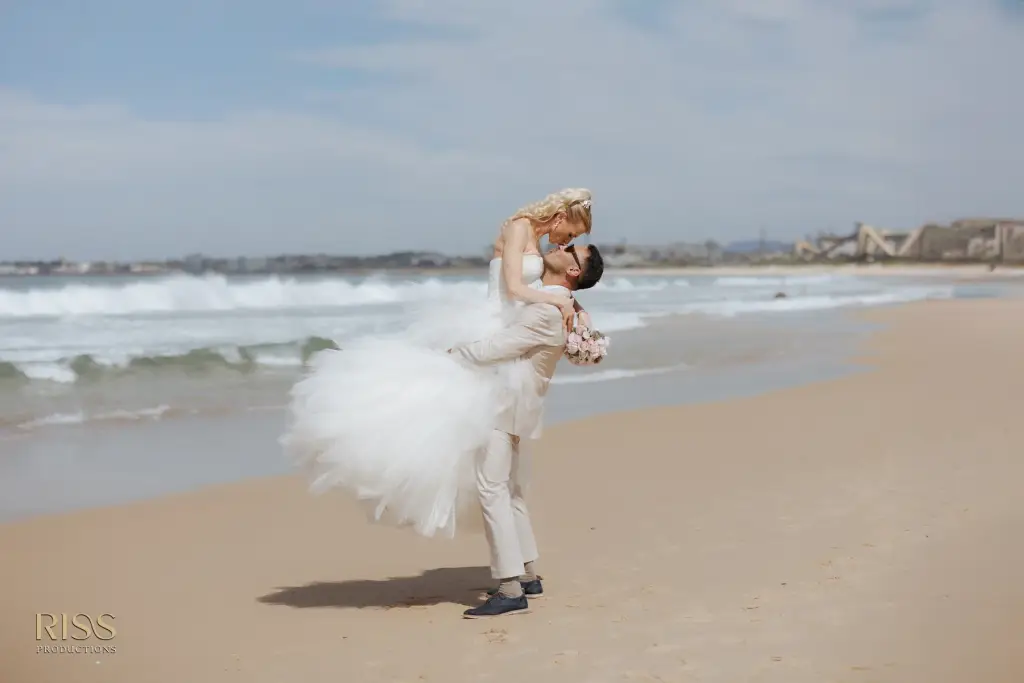
A complete wedding gallery needs more than photographs of the couple. It should give you a sense of the setting, the people around you, and the different parts of the day.
- Photograph the Atmosphere, Not Just the Couple
Make room for photographs that show the wider setting. The ceremony space before guests arrive, guests entering, reception decor, and a wider view of the celebration can all establish the atmosphere. These photographs give context to the more intimate portraits and moments that follow.
- Look for Relationships, Not Just Subjects
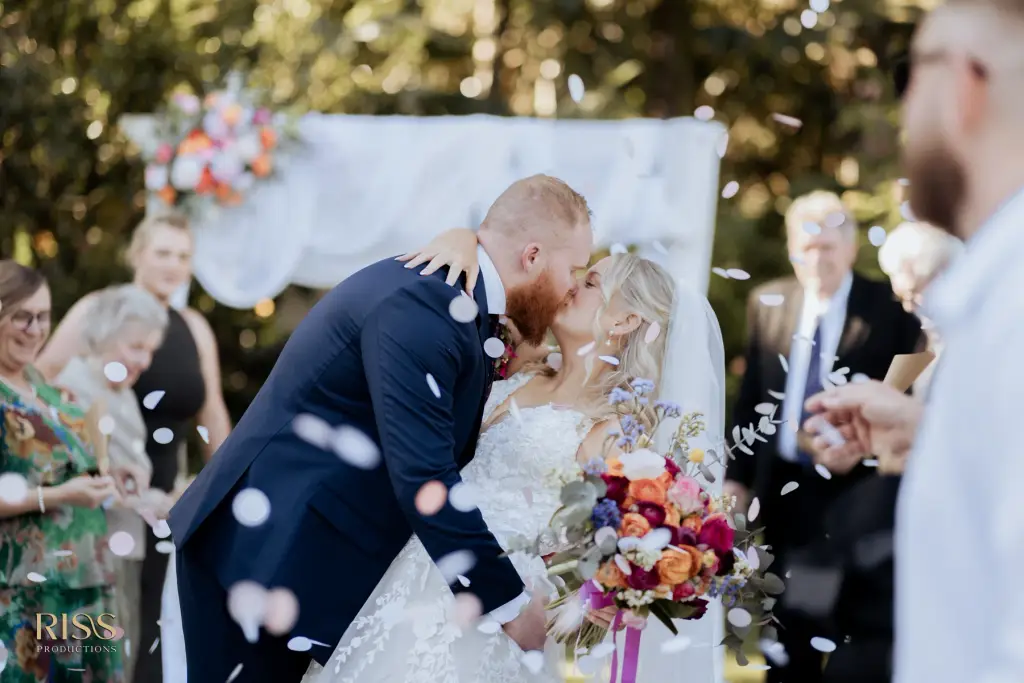
Some of the most valuable photographs are about what happens between people. A parent reacting during the ceremony, friends responding to a speech, grandparents watching the couple or guests reconnecting can add much more to a gallery than a collection of individual portraits. These moments are best captured as they happen rather than recreated for the camera.
- Use the Venue As Part of the Photograph
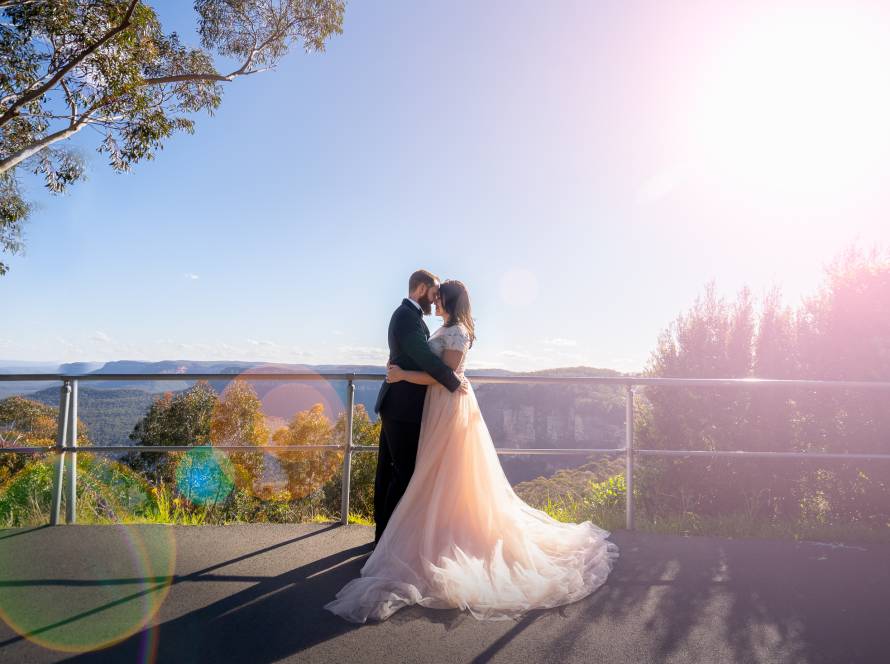
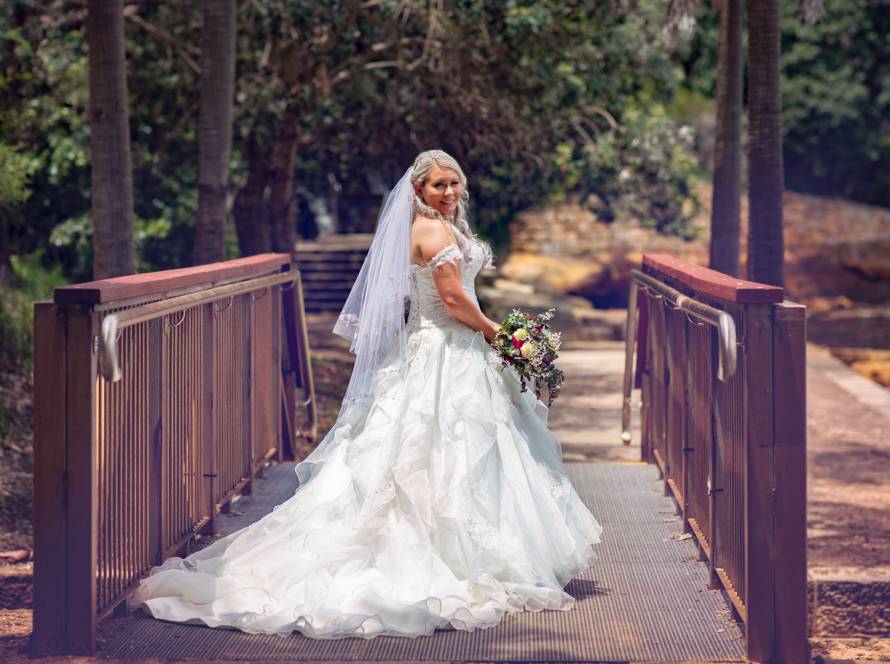
Your venue can contribute to the photograph rather than simply appearing in the background. Architecture, gardens, waterfronts, windows, staircases and surrounding landscapes can all be used during portraits.
If you are getting married in an urban Sydney venue, for example, the surrounding streets or architecture may become part of the composition. A garden or waterfront venue offers a very different visual setting. Discuss the locations you like with your photographer so they can work them into the day’s coverage.
- Mix Wide, Medium, and Close Shots
A gallery feels more varied when photographs are taken from different distances. Wide frames can show the couple within the venue or landscape, medium shots can focus on interactions, and close photographs can capture expressions, gestures, and details.
Rather than asking for one particular type of photograph repeatedly, allow your photographer to vary the framing throughout the day. It gives the final gallery more visual range.
- Photograph the In-Between Moments
Do not overlook what happens between the major events. Walking from one location to another, fixing a veil, laughing after a formal photograph, talking before the ceremony or reacting to something unexpected can all make worthwhile photographs.
These moments do not need to be added to the schedule. They simply require your photographer to pay attention to what is happening around you, rather than focusing only on the planned parts of the day.
Planning the Day: Timeline, Travel & Breathing Room
Good wedding photography also depends on how the day is scheduled. Instead of trying to fit photographs into whatever time is left between events, build photography into the timeline from the beginning. This gives your photographer enough time to cover the important parts of the day without making the schedule feel rushed.
- Build photography into the full-day timeline: Think about photography across the day rather than only setting aside time for couple portraits. The schedule may need to include getting-ready photographs, the ceremony, family and group photos, couple portraits, travel between locations, reception coverage and, if planned, sunset or night portraits.
- Allow enough time for travel and transitions: This is particularly important when your ceremony, portrait location and reception are at different venues. In and around Sydney, travelling between locations can become a significant part of the schedule, so account for the journey rather than treating it as separate from the photography timeline.
- Leave some breathing room: Wedding schedules can change because of late arrivals, extended family photographs or other unexpected delays. A fully packed timeline gives your photographer little room to adapt. Building in some buffer allows the day to move naturally and gives you time for photographs without feeling like you are constantly watching the clock.
Family and Group Photos Without Losing Reception Time
Family and group photographs are important, but they do not need to take up a large part of the day. A little planning beforehand helps keep these photographs organised and leaves more time for the rest of the celebration.
- Create a priority list: Decide which family and group combinations genuinely matter to you and keep the list focused. This helps your photographer work through the essential photographs without spending too much time on similar combinations.
- Share Names and Relationships: Tell your photographer who needs to be included, along with their names and relationships where possible. This gives them a clear idea of who should be included in each group and avoids confusion on the day.
- Nominate Someone to Gather People: Choose a family member or member of the wedding party who knows the guests and can help bring the right people together. This simple role can save significant time, especially when guests have moved around the venue.
- Keep Group Photos Efficient: You do not need dozens of nearly identical combinations. Once the important groups are covered, move on to the next part of the day rather than using valuable reception or couple time for minor variations.
Choosing Your Photography Style
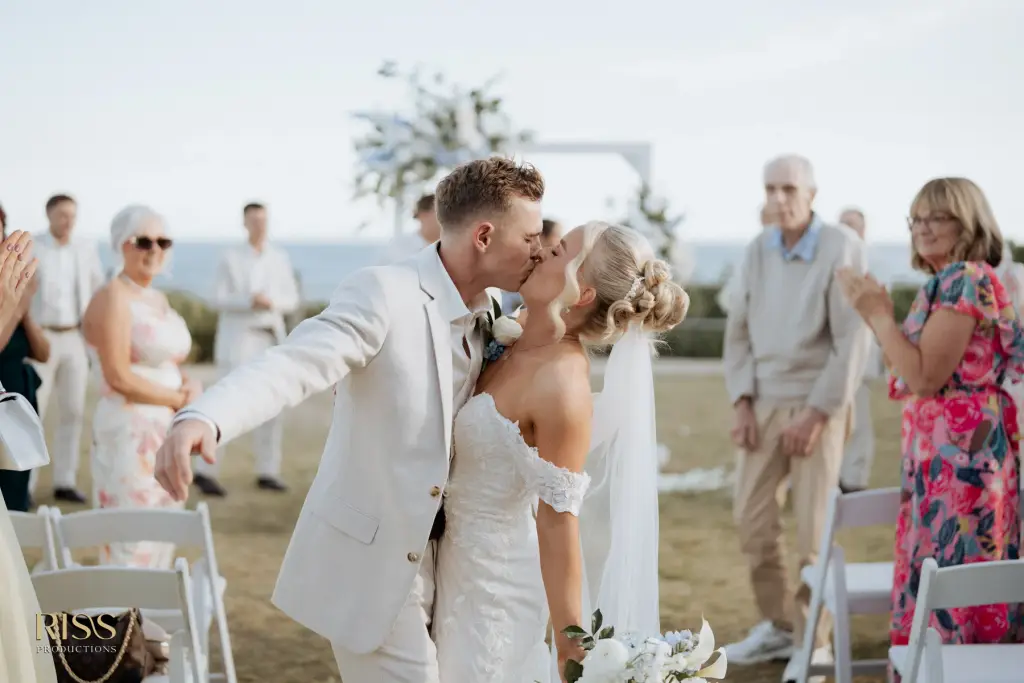
Wedding photography styles often overlap, so you do not necessarily need to choose one approach for the entire day. Understanding the differences can help you explain the kind of photographs and direction you want from your photographer.
- Traditional and Posed
This approach focuses on structured portraits, formal family photographs and clearly arranged group shots. It suits couples who want a defined set of photographs with everyone looking towards the camera.
- Documentary and Photojournalistic
The focus is on moments as they happen, with less direction and more observation. This approach gives more attention to natural interactions, reactions and candid moments throughout the wedding.
- Editorial and Fashion-Inspired
This style uses deliberate direction, composition, lighting and styling to create more considered portraits. It often places greater emphasis on how the couple, surroundings, and overall frame come together.
- A Blended Approach
Most weddings naturally combine different approaches rather than following one style throughout. You might have formal family portraits, directed couple portraits, natural interactions, documentary-style ceremony coverage and editorial-style environmental portraits in the same gallery. The mix should reflect the visual experience you want, rather than forcing your wedding photography into a single label.
Plan Around Light, Weather, and Your Venue
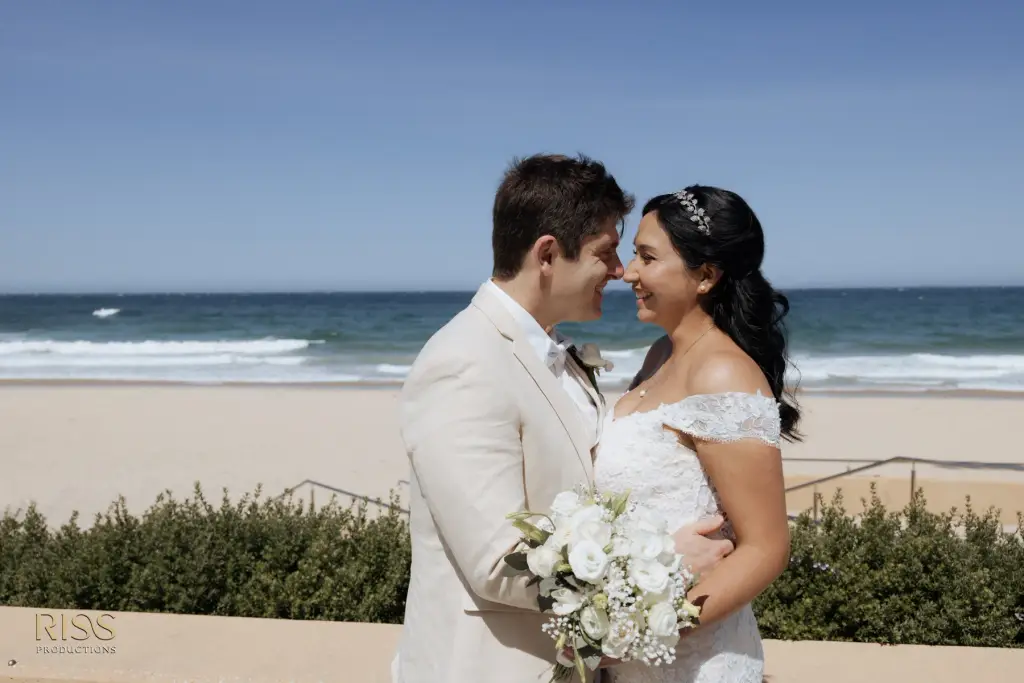
Light and weather affect how a location looks and how comfortably photographs can be taken. Instead of treating these as last-minute considerations, look at your venue and schedule together when planning where and when different photographs will happen.
Understand How Light Changes Through the Day
The same location can look very different depending on the time of day. Morning light may feel softer, while midday sunlight is often stronger and creates harder shadows. Late-afternoon and sunset light can change the look of outdoor portraits again, while evening photography relies more on available venue lighting and artificial light. Discussing your schedule with your photographer helps determine which locations work best at different times.
Do Not Rely on Perfect Weather
A photography plan should still work if the weather changes. Rain, strong sunlight and wind may affect outdoor portraits, so avoid building the entire schedule around ideal conditions. Having alternative locations or adjusted timings gives your photographer options without requiring a complete change to the day’s plans.
Look Beyond a Generic Backup Venue
Your indoor options do not have to mean moving to a separate backup venue. Look around your existing venue for useful spaces such as areas near large windows, covered outdoor sections, interesting architectural features and rooms with enough space for group photographs. For couple portraits, identify indoor areas that offer good backgrounds, available light and enough room to move rather than simply choosing the nearest covered space.
How to Get Natural Wedding Photos Without Feeling Awkward
Not everyone feels comfortable in front of a camera, and you do not need modelling experience to get natural wedding photographs. The right directions, enough space and a photographer who understands your preferences can make the experience feel more relaxed.
You Do Not Need to Know How to Pose
Posing is part of your photographer’s role. They should guide you through positioning, movement, and expressions instead of expecting you to know what to do in front of the camera. Sharing any concerns beforehand also helps them adapt their approach.
Choose Direction That Still Feels Like You
There is a difference between being told to hold an exact pose and being given something natural to do. Your photographer might ask you to walk together, adjust a veil, talk to each other or recall a shared moment. These prompts provide direction while allowing your expressions and interactions to remain personal.
Give Genuine Moments Room to Happen
Not every interaction needs to be interrupted for another photograph. Allow time for conversations, laughter and reactions to happen without constant direction. This gives your photographer the opportunity to capture moments as they naturally occur.
Consider How Your Photographer Works
A photographer’s presence affects your experience throughout the day. Someone who gives frequent direction creates a different atmosphere from someone who works more quietly and observes from a distance. Choose a photographer whose communication style and level of involvement suit your comfort and expectations.
Choosing the Right Photographer
Choosing a photographer involves more than comparing portfolios. Share the right information before the wedding and assess how each photographer approaches the entire day, from planning and family photographs to changing conditions and natural moments.
Share Important Details Before the Wedding
Give your photographer the timeline, venue information, ceremony restrictions and family or group priorities. Also discuss cultural traditions, important people, meaningful details, preferred photography style, locations you like and anything you do not want photographed. Inspiration images can help communicate your preferences for mood, composition, lighting and the level of direction you prefer. Use them as references rather than expecting the photographer to replicate someone else’s photograph exactly.
Review Complete Wedding Galleries
Look beyond highlight reels and individual portfolio images. Complete wedding galleries show how consistently a photographer handles different parts of the day, including getting ready, ceremonies, family photographs, receptions and couple portraits. Pay attention to how they work in different lighting and weather conditions, rather than only reviewing photographs taken during golden hour.
Understand Their Approach
Ask how much direction they usually provide, how they organise family photographs and how they respond to changing weather. Discuss how much time they recommend for photography and how they coordinate with the videography team. These conversations help you understand what working with them will actually feel like on your wedding day.
Choose an Approach That Fits Your Wedding
The strongest portfolio image is not necessarily the best indicator of the right photographer for you. Consider whether their approach, communication style and visual interpretation match your priorities. You want someone whose work reflects the kind of photographs you value and whose way of working fits the experience you want throughout the day.
A Practical Wedding Photography Checklist
Use this checklist to prepare for your wedding photography, from choosing your photographer to making space for important moments on the day.
Before Booking
- Review complete wedding galleries, not just highlight reels.
- Understand the photographer’s approach and level of direction.
- Ask how they handle different lighting and weather conditions.
Before the Wedding
- Share your wedding timeline and venue information.
- Prepare a priority list for family and group photographs.
- Explain important cultural traditions and personal moments.
- Discuss venue restrictions and weather alternatives.
On the Day
- Allow enough photography time, including buffer time.
- Ask someone to help gather family members.
- Trust your photographer’s direction.
- Leave room for spontaneous moments.
Turn Your Wedding Moments into Beautiful Memories with RISS Photography
Great wedding photography is not only about beautiful portraits. It brings together the people, details, emotions and moments that matter to you, while allowing enough time and flexibility for the day to unfold naturally. With thoughtful planning and a photographer whose approach suits you, you can create a wedding gallery that feels personal, complete, and true to your experience.
At RISS Productions, we combine wedding photography and cinematic videography through one team, covering everything from formal portraits and cultural traditions to natural interactions and the unexpected moments in between. With 15+ years of experience and 650+ weddings captured, we work closely with couples to understand their preferences and deliver photographs and films that reflect their wedding day.
Frequently Asked Questions
- What are the most important wedding photography ideas to include in a wedding gallery?
Include a mix of planned portraits, family and group photographs, meaningful details, venue photographs and genuine moments throughout the day. A complete gallery should show both the important people and the smaller interactions that help capture the experience of the wedding.
- How much time should we allow for wedding photography on our wedding day?
There is no single time requirement because it depends on your timeline, locations, family photographs, and the type of coverage you want. Discuss the full schedule with your photographer, including travel, transitions and buffer time, rather than setting aside time only for couple portraits.
- Should we give our photographer a wedding photography shot list?
A priority list is useful for important family combinations, people and moments you do not want missed. You do not need to list every photograph you expect, as your photographer should also have room to observe and respond to what happens naturally during the day.
- How can we make our wedding photos look natural if we’re not comfortable posing?
You do not need to know how to pose. A good photographer can guide you through simple movements or prompts that create natural interactions while still providing direction.
- How many family and group photos should we plan for?
Focus on the combinations that are genuinely important to you rather than trying to photograph every possible grouping. A short priority list helps your photographer organise the photographs efficiently and reduces the time spent gathering people.
- What should we do about wedding photography if it rains?
Discuss weather alternatives with your photographer before the wedding and identify suitable indoor or covered locations at the venue. Windows, architectural features and spacious indoor areas can provide useful options for group and couple photographs when outdoor plans change.
- How do we choose a wedding photographer whose style is right for us?
Review complete wedding galleries to understand how consistently the photographer handles different parts of the day, lighting and weather. Also ask about their level of direction, approach to family photographs, recommend photography time and coordination with videography, then choose an approach that matches the experience and photographs you want.